From Zero Oversight to Annual Check-Ins: Connecticut's New Homeschool Law, Explained
Connecticut just became the last state to start regulating homeschooling. Until now, it was the only state in the country with no oversight at all. That changed when Governor Ned Lamont signed House Bill 5468 — now Public Act 26-37 — into law in late May 2026.
For Connecticut's homeschool families, here's what the law actually does, and when. The changes roll out in phases, so nothing happens overnight:
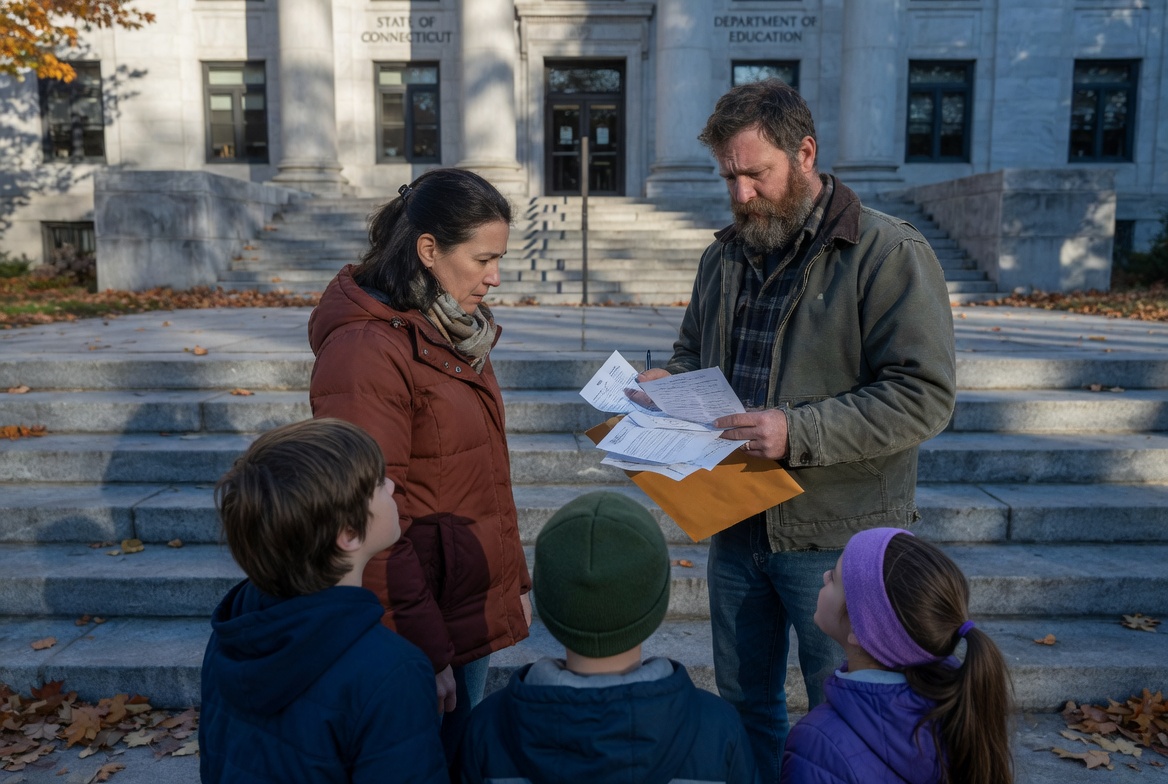
Starting fall 2027: Parents withdrawing a child from public school to homeschool must do it in person at their district office.
Starting fall 2028: Parents file an annual "intent-to-educate" form, in person, declaring whether their child will attend public school, private school, or learn at home.
The law also adds a safety screen: a parent can't homeschool if they — or any adult living in the home — is on the state's Child Abuse and Neglect Registry or under active investigation by the Department of Children and Families. A family's intent to homeschool doesn't take effect until DCF confirms no one in the household is flagged.
The bill grew out of several tragic cases in which children were pulled from school under the banner of homeschooling and then disappeared from anyone's view. Supporters framed it as a child-safety measure; homeschool advocates, including HSLDA and Connecticut groups, pushed back hard, arguing it burdens the overwhelming majority of families who are doing right by their kids to address failures that lie elsewhere.
What this means for you: there's runway. The first requirement isn't until fall 2027, so there's time to plan. Read the full text of Public Act 26-37, and connect with state and national homeschool organizations to walk through how the new steps apply to your family.
- Connecticut homeschool families should: (1) Look up the specific bill text on the Connecticut General Assembly website at cga.ct.gov to understand the new requirements. (2) Contact HSLDA or Connecticut homeschool advocacy groups such as TEACH (The Education Association of Christian Homeschoolers) for guidance on compliance. (3) Check the We-Ha article at the link for additional details on what the law requires.